Bonus Allocation Dynamics Across Athletic Event Stakes and Real-Time Dealer Tables When Users Switch Between Settlement Channels in App Environments
Jonas Jenkins · Aug 18, 2026
Bonus Allocation Dynamics Across Athletic Event Stakes and Real-Time Dealer Tables When Users Switch Between Settlement Channels in App Environments
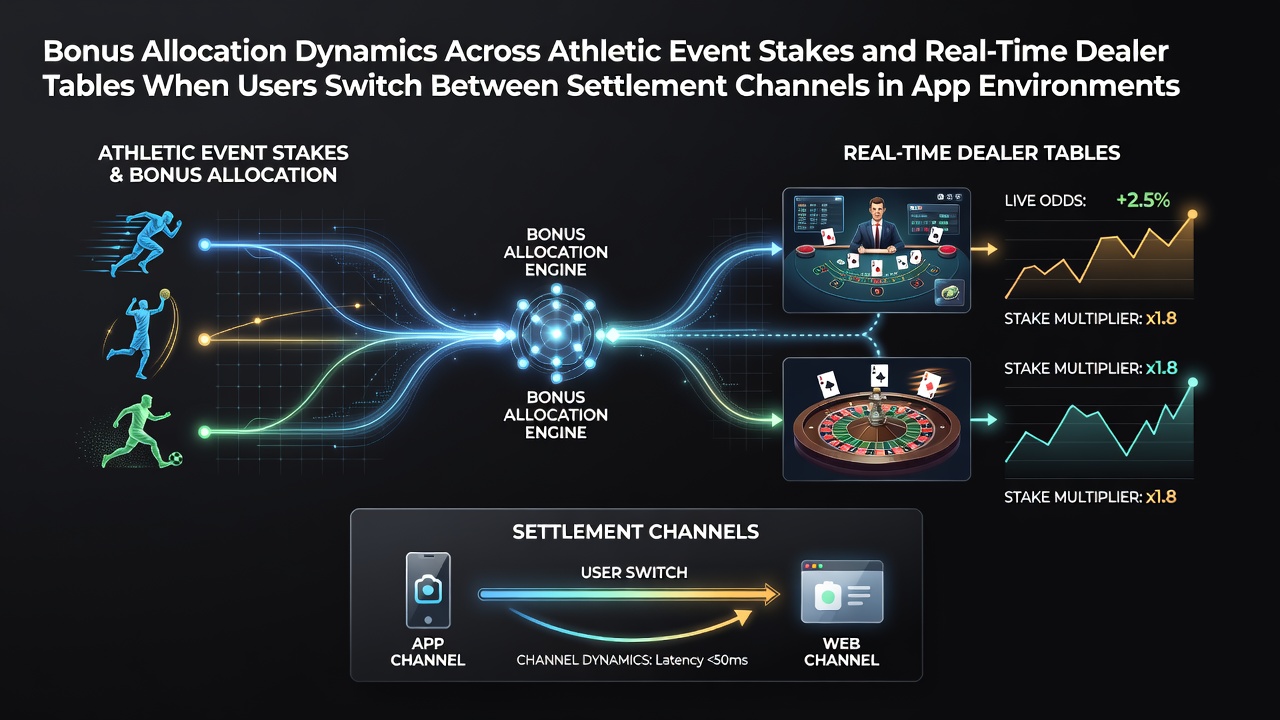
Bonus allocation in mobile gaming environments follows specific rules when participants move between athletic event stakes and real-time dealer tables while changing settlement channels such as bank transfers, digital wallets, or card processors. Data from multiple jurisdictions indicate that these transitions trigger recalculations based on contribution percentages assigned to each game type and payment method, with sports wagers often carrying lower bonus weight than table games in many systems. Observers note that app platforms adjust pending bonuses automatically once a user completes a transaction through a new channel, and the process incorporates both the original deposit source and the subsequent activity across formats.
Mechanics of Channel Switching and Bonus Recalculation
Users initiate settlement channel changes through the app settings menu, after which the system logs the new method and applies updated bonus multipliers according to predefined tables maintained by the operator. Research from the Nevada Gaming Control Board shows that switches occurring mid-session between a sports bet and a live dealer round frequently result in partial bonus forfeiture if the prior channel carried a higher contribution rate, whereas seamless switches between compatible methods preserve full allocation. Those who monitor these patterns report that the adjustment occurs within seconds of confirmation, and the updated balance reflects both completed athletic stakes and ongoing table sessions without requiring manual intervention from support staff.
Platform algorithms track the proportion of funds originating from each settlement channel and apply game-specific weighting factors that differ between athletic events and dealer tables, so a switch from a credit card to an e-wallet during an active live session can shift the remaining bonus eligibility downward when sports wagers are involved. Figures released in August 2026 by the New Jersey Division of Gaming Enforcement reveal that approximately 28 percent of multi-format sessions included at least one channel change, and operators recorded measurable differences in bonus utilization rates depending on whether the switch happened before or after a table game round concluded.
Allocation Patterns Between Athletic Stakes and Dealer Tables
Athletic event stakes typically receive bonus contribution rates between 20 and 50 percent depending on the sport and bet type, while real-time dealer tables often receive 100 percent contribution because they fall under table game categories with higher house-edge weighting. When a participant switches settlement channels after placing a sports wager but before entering a dealer table, the platform reallocates the remaining bonus across both activity types using the most recent channel's parameters, which can extend or shorten the wagering requirement timeline. Studies conducted by RMIT University researchers found that users who alternate frequently between these formats experience more variable bonus decay rates than those who remain in a single channel throughout their session.
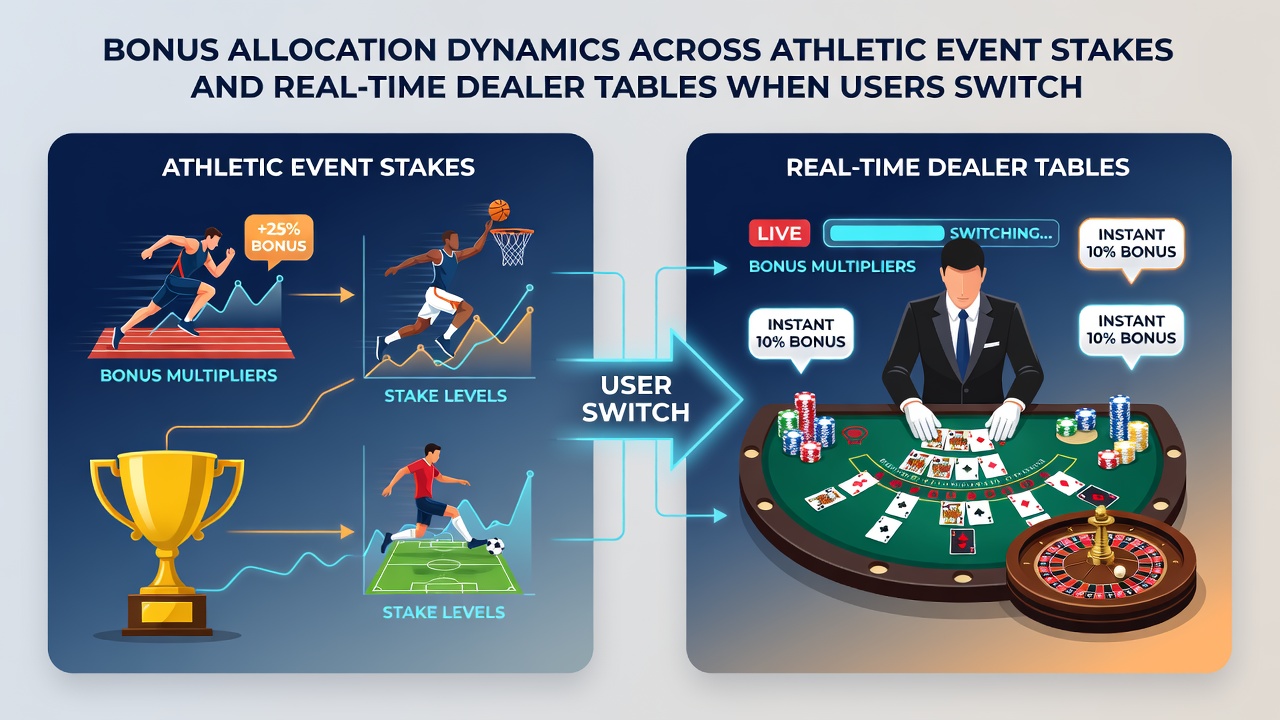
The timing of the switch matters because some platforms apply the new channel's rules retroactively to any unsettled bonus portions, while others lock in the original terms until the current game round finishes. Evidence gathered across several operators demonstrates that live dealer sessions started after a channel switch inherit the updated allocation rules immediately, whereas pending athletic event outcomes retain the contribution rate active at the time the stake was placed. This distinction creates distinct pathways for bonus consumption that depend on whether the user begins with sports or tables before changing methods.
Observed User Behavior in Multi-Format App Sessions
Session data collected during the first half of 2026 indicate that participants who switch settlement channels more than twice within a single hour tend to trigger additional verification steps that temporarily pause bonus accrual until the new method clears. Those patterns appear across both athletic and dealer formats, yet the impact registers more noticeably when users move from high-contribution table games to lower-weighted sports wagers. Regulatory reports from iGaming Ontario note that such pauses average under three minutes and rarely result in permanent loss of allocated bonuses provided the switch completes successfully.
Operators maintain separate tracking ledgers for each settlement channel, which allows precise attribution of bonus portions even when multiple payment methods appear in one extended session. This ledger approach enables automatic redistribution when a user exits a live dealer table and places an athletic stake through the newly selected channel, preserving compliance with regional contribution caps. Analysts tracking these flows have documented consistent application of the rules across different app versions released prior to August 2026, with minimal variance between major operating systems.
Conclusion
Bonus allocation responds directly to the combination of game type, settlement channel, and sequence of switches within mobile environments, producing measurable differences in how athletic event stakes and real-time dealer tables consume available funds. Platform systems apply these adjustments automatically based on operator-defined tables and regulatory requirements, ensuring consistent treatment regardless of user path. Continued monitoring by oversight bodies provides ongoing data on these dynamics as app features evolve.