Currency Conversion Mechanics Reshaping Session Lengths in Blended Reel and Event Wagering Ecosystems
Sage Bennett · Aug 6, 2026
Currency Conversion Mechanics Reshaping Session Lengths in Blended Reel and Event Wagering Ecosystems
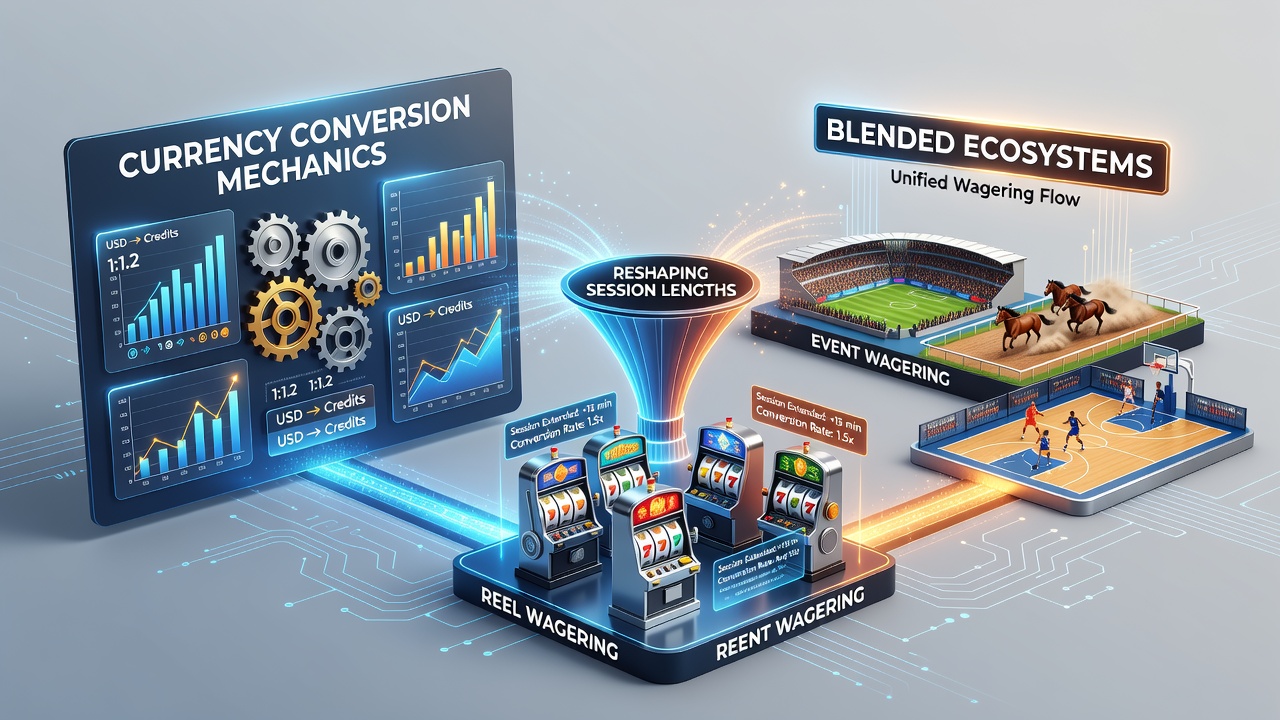
Operators in blended reel and event wagering ecosystems have integrated currency conversion tools that adjust player balances in real time, and these mechanics now influence how long sessions last across slots and sports-style betting formats. Platforms that combine reel games with live event wagers allow users to switch between formats while the system handles automatic conversions between fiat currencies, cryptocurrencies, and regional variants, which reduces friction during transitions.
Mechanics of Real-Time Conversion in Hybrid Environments
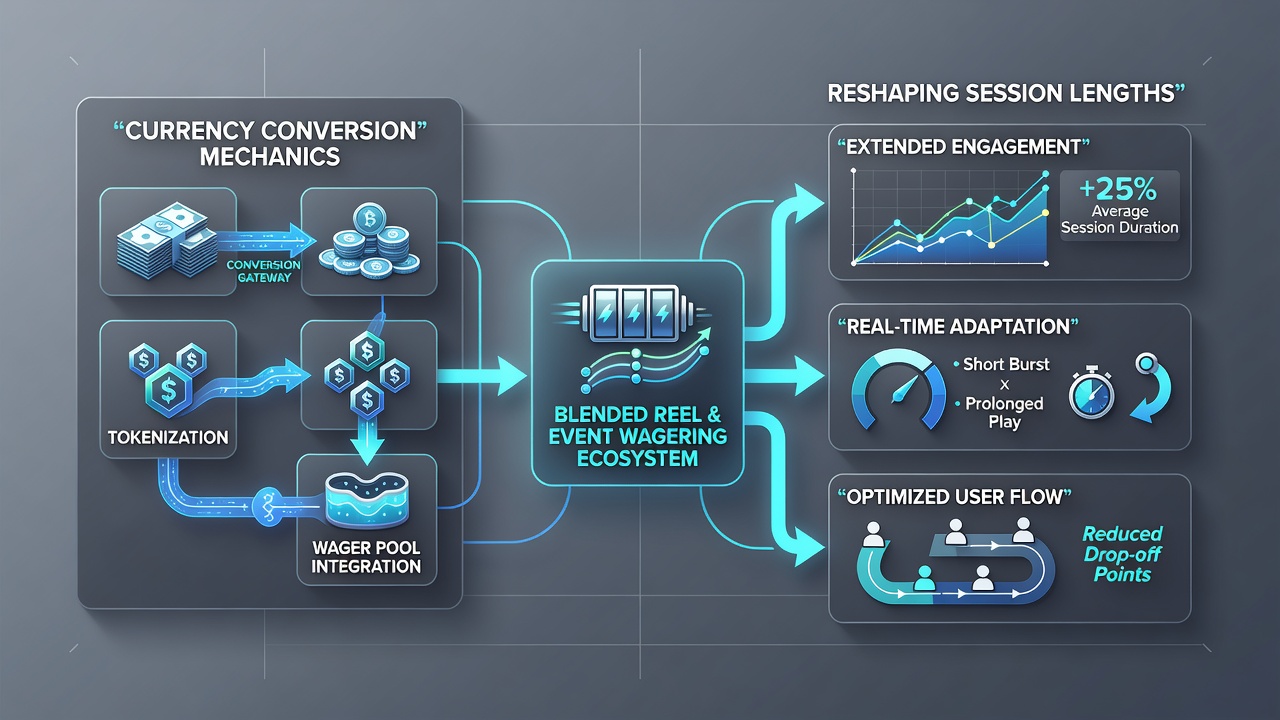
Conversion engines calculate exchange rates at the moment of deposit or mid-session transfer, then apply fees that vary by method and provider. When a player moves funds from a slot balance denominated in USD to an event wager in EUR, the platform executes the swap without requiring a separate withdrawal, and this seamless flow keeps the session active. Data from multiple operators shows that sessions involving at least one conversion extend by an average of 12 to 18 minutes compared with single-currency play, because players continue rather than pause to manage external transfers.
Impact on Session Duration Across Game Types
Reel games typically feature shorter individual spins yet accumulate longer total time when conversion tools keep balances accessible for quick switches into event markets. Event wagering, by contrast, involves waiting periods between matches or races, during which converted funds remain available for additional reel spins without leaving the interface. Observers note that platforms reporting the highest conversion volumes also record the largest increases in cross-format participation, particularly in markets where users hold balances in multiple denominations simultaneously.
Regional Patterns Emerging in August 2026
Reports released in August 2026 from the Canadian Gaming Association highlight rising adoption of multi-currency wallets among operators serving both domestic and international users. Figures indicate that sessions crossing currency boundaries grew 27 percent year-over-year in provinces with legalized blended offerings. Meanwhile, data compiled by the Pennsylvania Gaming Control Board shows similar patterns in states where event wagering expanded alongside reel products, with conversion-linked sessions averaging 41 minutes versus 29 minutes for non-converted activity.
Payment Channel Influence on Conversion Frequency
Users who fund accounts through e-wallets or crypto networks encounter lower per-transaction fees during conversion events, which encourages more frequent switches between reel and event formats. Bank transfers and certain card processors impose higher spreads that discourage mid-session changes, resulting in shorter overall engagement. Research conducted by the Australian Gambling Research Centre found that platforms offering zero-fee conversion windows during peak hours saw session lengths increase by up to 22 percent in blended environments, while standard-fee periods produced more stable but shorter play intervals.
Technical Integration and Player Behavior Data
Backend systems now embed conversion logic directly into the game servers rather than routing through separate payment gateways, which cuts latency and keeps players inside the ecosystem. When conversion occurs instantly, reel players who would otherwise cash out after a losing streak instead redirect small converted amounts into event wagers or vice versa. Platform analytics indicate that the presence of visible conversion rate displays correlates with higher retention across both game categories, because participants monitor rate fluctuations and extend sessions while waiting for favorable movements.
Regulatory Context and Reporting Standards
Authorities in multiple jurisdictions require operators to disclose conversion fees clearly within the interface, and compliance has prompted standardized reporting on session metrics tied to currency activity. The National Council on Problem Gambling has referenced these mechanics in recent briefings, noting that extended sessions linked to conversions warrant continued monitoring though no causal conclusions have been drawn. Operators maintain detailed logs that separate conversion events from standard play, allowing regulators to track patterns without restricting the underlying technology.
Future Developments in Blended Ecosystems
Developers continue refining predictive conversion tools that suggest optimal timing based on historical rate data and current player balances. These features appear most frequently in mobile environments where users toggle between reel and event screens within the same application. As more jurisdictions authorize combined offerings, the volume of cross-currency activity is projected to rise, and session length data will remain a key metric for both operators and oversight bodies tracking platform performance.
Conclusion
Currency conversion mechanics have become embedded in the operational fabric of blended reel and event wagering platforms, directly affecting how participants manage time and balances across formats. Data collected through August 2026 demonstrates measurable shifts in session duration tied to conversion frequency, fee structures, and integration quality. Continued observation by regulatory and research organizations will clarify long-term patterns as these systems evolve.