Deciphering the Synergy Between Live Interactive Sessions and Flexible Transaction Methods in Modern Gaming
Bianca Schmid · May 21, 2026
Deciphering the Synergy Between Live Interactive Sessions and Flexible Transaction Methods in Modern Gaming
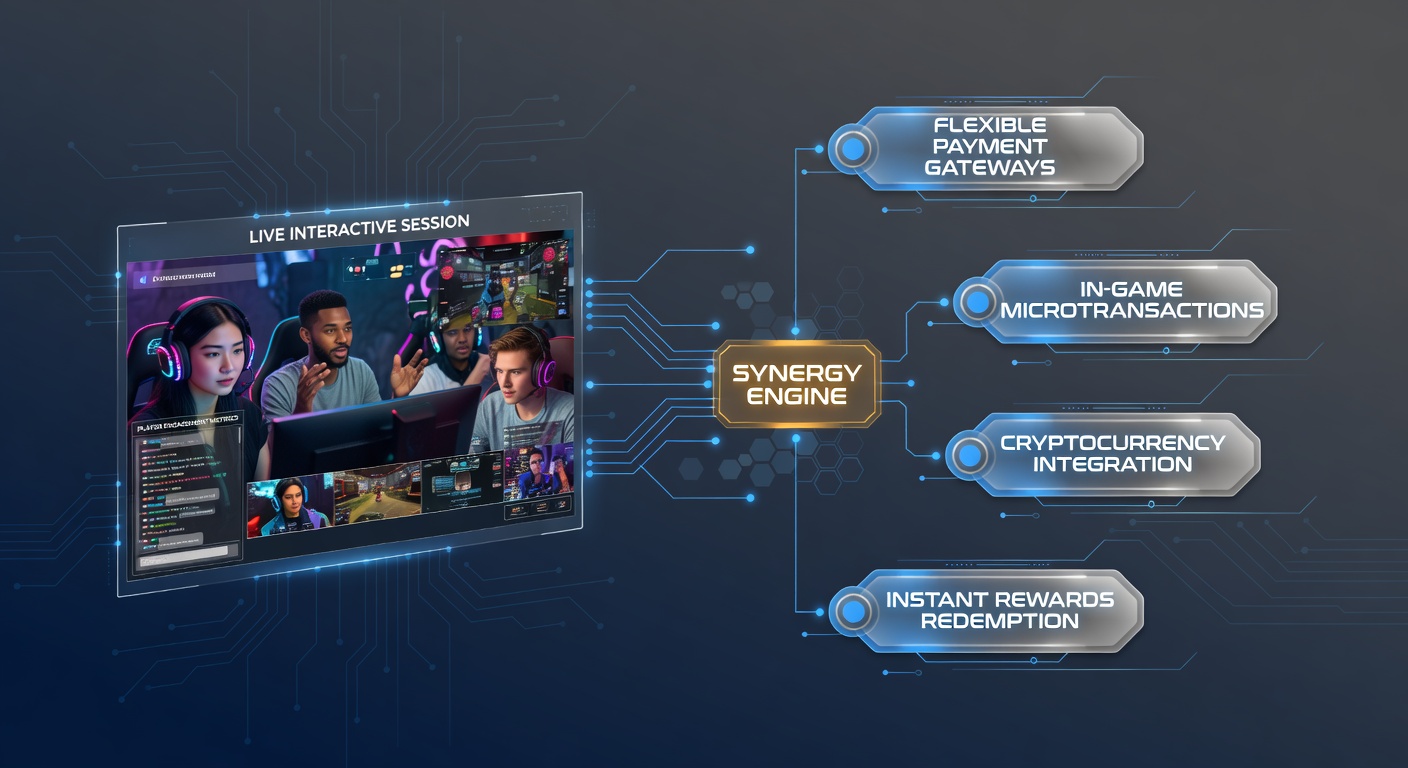
Live interactive sessions have transformed how participants engage with digital gaming environments, creating real-time connections between players and dealers through video streams and chat features. These sessions rely on seamless coordination with transaction systems that support instant deposits and withdrawals, allowing users to adjust bets or add funds without leaving the interface. Data from industry monitoring shows participation in live dealer formats grew steadily through 2025, driven by platforms that integrated multiple payment rails including digital wallets and cryptocurrency transfers.
Flexible transaction methods encompass a range of options from bank transfers processed in seconds to blockchain-based payments that settle across borders. Research indicates these tools reduce average processing times from hours to under a minute in many cases, which aligns directly with the pace of live sessions where decisions unfold continuously. Observers note that platforms combining both elements report higher session durations, since participants maintain momentum when financial adjustments happen fluidly.
Core Components of Live Interactive Sessions
Modern live gaming setups stream from dedicated studios equipped with multiple camera angles and professional dealers who interact verbally with remote users. Participants place wagers through overlaid controls while watching outcomes resolve in real time, a format that mirrors physical casino dynamics yet operates around the clock. Experts have observed that integration with chat functions and multi-player tables adds layers of social engagement, turning solitary screen time into shared experiences.
Technical infrastructure supporting these sessions includes low-latency video delivery and synchronized game servers that update balances instantly. Studies conducted by research firms reveal that players using live formats often switch between table games and slots within the same login period, provided transaction options allow quick reallocation of funds across game types.
Evolution of Flexible Transaction Methods
Payment flexibility in gaming expanded significantly after several jurisdictions updated licensing frameworks between 2023 and 2025. Systems now accommodate instant bank verification through open banking protocols alongside established e-wallet services and emerging digital asset transfers. Figures from regulatory filings demonstrate that withdrawal speeds improved across compliant operators, with many completing requests in under thirty minutes when users select compatible methods.
Those who manage gaming platforms report that offering tiered transaction choices helps accommodate varying user preferences, from traditional card processing to privacy-focused alternatives. This variety matters because live sessions frequently involve repeated small adjustments to stakes, making frictionless top-ups essential for sustained participation.
How the Two Elements Interact in Practice
The synergy appears most clearly when live sessions incorporate embedded payment prompts that trigger without interrupting the video feed. A dealer might announce a bonus round while the interface simultaneously offers a one-click deposit option tied to a previously linked wallet. This design keeps attention focused on the game rather than navigation menus or external banking sites.
Platforms that achieved deeper integration saw measurable lifts in average revenue per user according to anonymized operational data shared at industry events. One analysis covering North American markets highlighted how instant funding during live blackjack tables correlated with extended play windows, since participants could respond immediately to favorable card counts without pausing the stream.
Regulatory and Technical Considerations Through Mid-2026
In May 2026 several North American and European operators rolled out updated compliance modules that link transaction verification directly to live session logging. These updates allow regulators to review both gameplay and associated financial flows within unified audit trails, streamlining oversight while preserving user privacy standards. The Pennsylvania Gaming Control Board published guidance that same month clarifying standards for real-time payment authentication in interactive environments.
Technical teams continue refining APIs that connect payment processors to live game engines, ensuring balance updates occur within milliseconds of confirmation. Industry reports compiled by the Canadian Gaming Association note that such optimizations lowered dispute rates related to timing mismatches, since transactions and game events now share synchronized timestamps.
Observed Patterns Across Different Markets
Regional differences shape how operators deploy these combined features. Markets with established online frameworks tend to emphasize cryptocurrency options during live sessions because settlement occurs independently of banking hours. In contrast, regions favoring traditional finance routes focus on instant verification services that confirm identity once and reuse it across sessions.
Take one operator in the Asia-Pacific region that documented increased table occupancy after introducing regional e-wallet support for live baccarat streams. Players could move funds between accounts mid-round when new side bets appeared, maintaining engagement levels that earlier batch-processing systems had limited.
Conclusion
The connection between live interactive sessions and flexible transaction methods continues to shape operational priorities for gaming platforms worldwide. As synchronization between video streams and payment rails improves, participants encounter fewer interruptions and greater control over their involvement. Regulatory updates scheduled through 2026 and beyond will likely refine standards further, ensuring both security and responsiveness remain balanced in evolving digital environments.