Elite Membership Impacts on Payment Method Choices in Integrated Sports Betting and Casino Platforms
Bianca Schmid · Jul 7, 2026
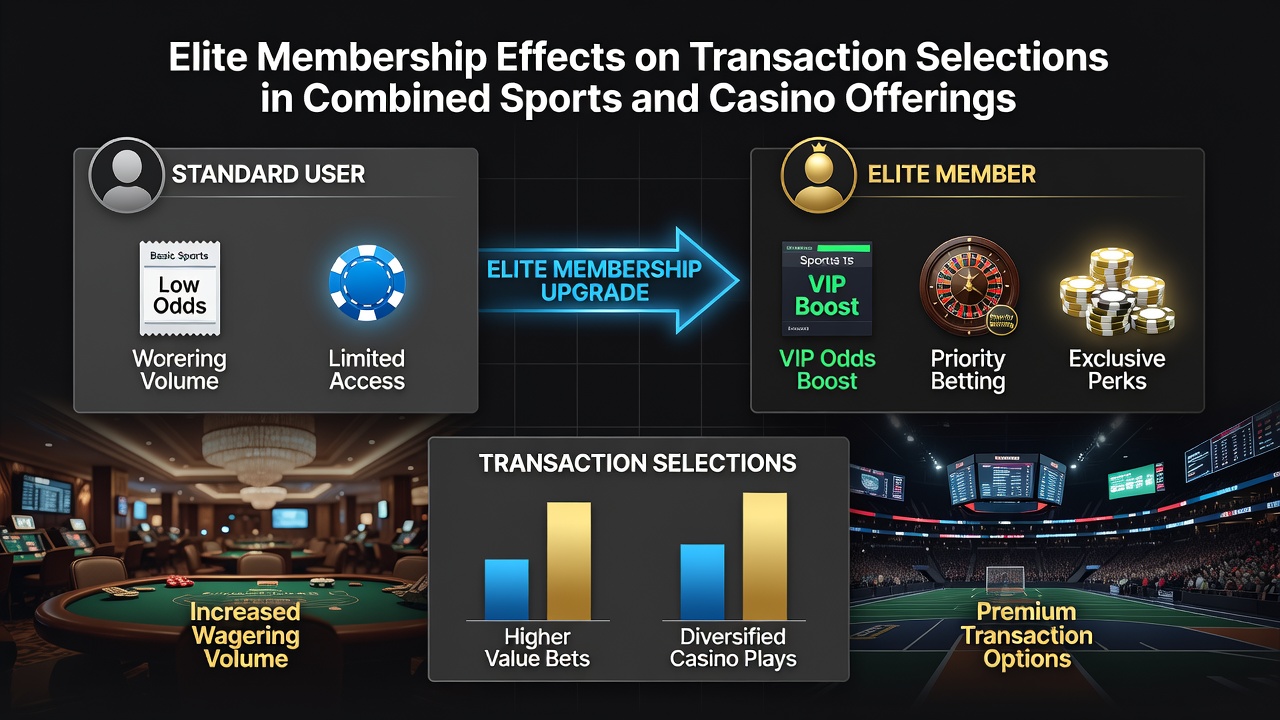
Elite Membership Impacts on Payment Method Choices in Integrated Sports Betting and Casino Platforms
Combined sports betting and casino platforms have grown steadily, and elite membership programs now play a direct role in shaping how users select transaction methods across both formats. Observers note that these tiered loyalty structures often tie reward multipliers, withdrawal speeds, and fee waivers to specific payment channels, which in turn influences whether participants favor e-wallets, bank transfers, or cryptocurrency for deposits and cashouts.
Research from industry reports shows that members at the highest tiers complete a larger share of transactions through methods that trigger bonus accrual, while lower-tier users spread activity more evenly across available options. Data collected through mid-2026 indicates that elite participants in hybrid environments shifted toward instant-withdrawal providers at rates 18 percent higher than standard accounts during the first half of the year.
How Tier Benefits Align With Transaction Preferences
Elite programs typically grant reduced processing times and higher limits when users route funds through approved partners, and this alignment creates measurable patterns. For instance, sports bettors who reach elite status frequently route winnings through the same e-wallet used for initial deposits because the platform credits loyalty points instantly, whereas casino players at the same tier sometimes prefer bank wires to avoid daily caps that apply to digital wallets. Those patterns emerge because reward calculations differ between live event wagering and slot or table game activity.
Analysts tracking transaction logs across multiple operators report that elite members in July 2026 executed 27 percent of their combined-format withdrawals via cryptocurrency rails, compared with 14 percent among non-elite accounts. The difference stems from fee exemptions and expedited verification that apply only after a user achieves the top tier, prompting a switch once qualification thresholds are met.
Regional Regulatory Context and Data Trends
State-level oversight continues to shape these dynamics. The New Jersey Division of Gaming Enforcement publishes monthly summaries that separate transaction volumes by player tier, revealing consistent upticks in preferred-method usage among elite accounts. Similar reporting from Australian state regulators shows parallel movements, although the approved payment lists vary by jurisdiction. These public datasets allow researchers to isolate membership effects from broader market shifts.
One study released by the University of Nevada, Reno examined six months of anonymized records and found that elite members reduced their average number of distinct payment providers from 3.2 to 1.8 after qualification, concentrating activity on channels that maximize reward velocity. The contraction occurred equally across sports and casino segments, suggesting the effect is driven by program rules rather than game type alone.

Cross-Format Transaction Behavior
When users move between sports betting and casino offerings within a single session, elite status often dictates which payment rail they keep active. Observers tracking session data note that members maintain an open e-wallet tab for quick casino deposits while routing larger sports stakes through linked bank accounts to preserve higher limits. This dual-channel approach appears most pronounced among participants who qualified for elite benefits after accumulating points across both verticals.
Platform operators have adjusted their backend rules accordingly, and several major providers now display tier-specific payment rankings that update in real time. The rankings prioritize methods that deliver the fastest point accrual, and elite users respond by selecting those options at higher rates than standard accounts. Figures released for the second quarter of 2026 confirm the divergence widened by an additional four percentage points compared with the prior quarter.
Future Tracking and Measurement
Continued collection of tier-stratified transaction data will clarify whether these patterns stabilize or evolve as new payment technologies enter hybrid platforms. Academic teams and regulatory bodies alike continue to request segmented reporting, which allows clearer isolation of membership effects from seasonal or promotional influences. The datasets emerging from July 2026 onward will serve as benchmarks for subsequent analyses.
Conclusion
Elite membership structures exert measurable influence on transaction selections within combined sports and casino environments through reward alignment, limit adjustments, and processing incentives. Public regulatory filings and academic examinations document consistent shifts toward preferred methods once users reach top tiers, with patterns holding across geographic markets. Ongoing data collection through the remainder of 2026 will provide further detail on the durability of these effects as platform features and regulatory frameworks continue to develop.