How Transaction Flexibility Influences Support Response Times Across Blended Mobile Sports and Table Game Platforms
Jonas Schwarz · Jul 28, 2026
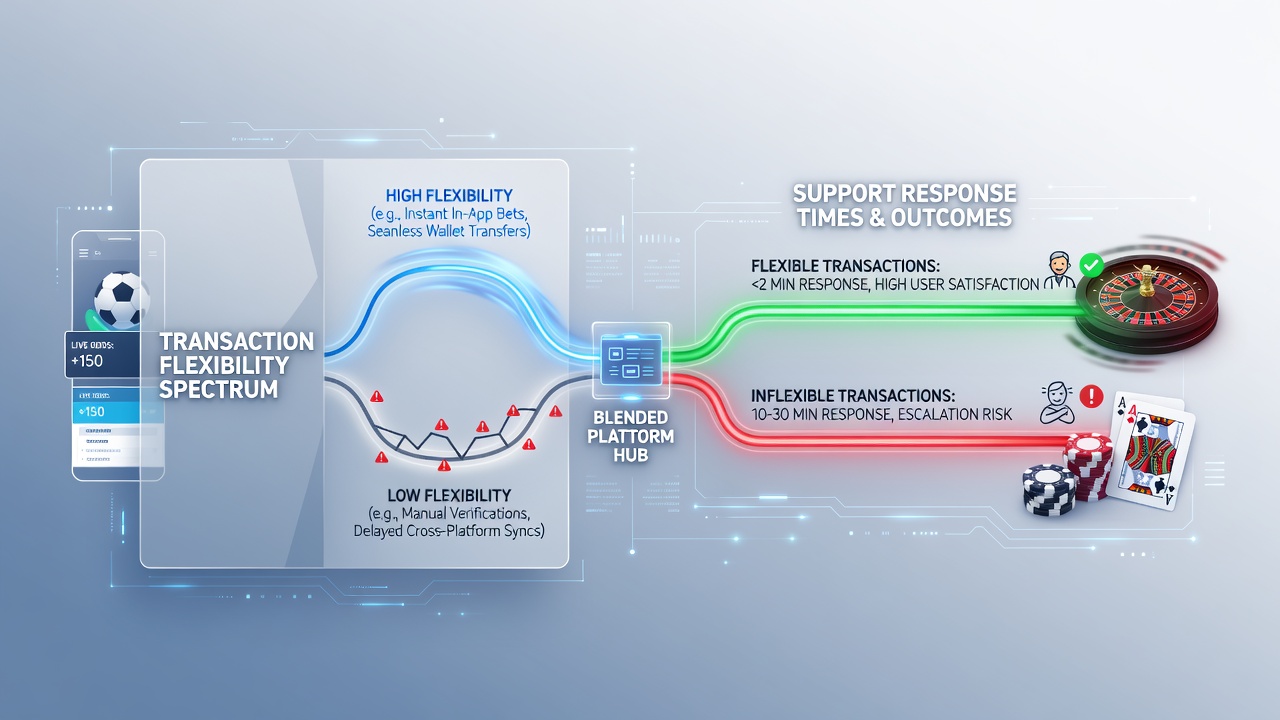
How Transaction Flexibility Influences Support Response Times Across Blended Mobile Sports and Table Game Platforms
Blended mobile platforms that combine sports betting with table games have expanded rapidly, and transaction flexibility plays a direct role in how support teams handle inquiries. Platforms now integrate instant deposits, multiple wallet options, and cross-format transfers, which alter the volume and type of assistance requests reaching operators. Research indicates that users who switch between sports wagers and live dealer tables often initiate transactions across different methods within a single session, creating distinct patterns in support ticket creation.
Platform Structures and User Behavior
Operators maintain unified accounts that allow seamless movement between sports markets and table game sessions on the same mobile application. Data shows that participants frequently adjust deposit methods based on game type, using e-wallets for quick sports bets while preferring bank transfers for larger table game stakes. These shifts generate support interactions tied to verification steps, failed transfers, and balance reconciliations that span both formats.
Figures from industry monitoring reveal that July 2026 saw increased activity in hybrid sessions, with mobile users completing an average of 3.2 transactions per hour across sports and table offerings. Support teams track these patterns because flexible payment rails reduce certain friction points while introducing others, such as currency conversion delays or provider-specific hold times.
Transaction Methods and Response Dynamics
Support response times vary according to the payment channel selected and the game category involved. When users employ instant options like digital wallets, queries about pending credits often resolve faster because automated verification systems flag issues immediately. In contrast, traditional bank links require manual review, extending average handling times by several minutes per ticket.
Observers note that sports betting transactions, which tend to occur in high frequency during live events, produce shorter support queues when flexibility tools auto-detect discrepancies. Table game sessions, however, involve slower-paced decisions and larger individual amounts, leading to more detailed review processes that combine transaction data with game logs. A report from the Alcohol and Gaming Commission of Ontario highlights how multi-format users generate 18 percent more cross-referenced tickets than single-format participants.
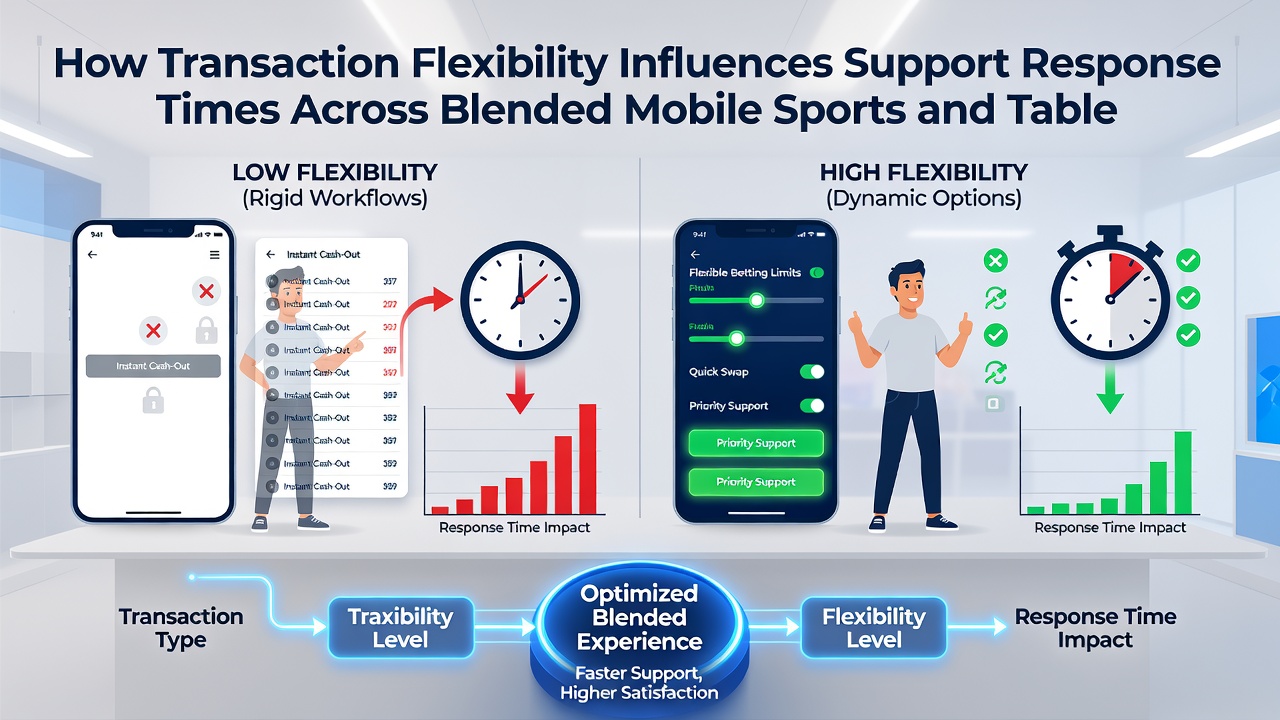
Comparative Data Across Formats
Analysis of platform logs demonstrates measurable differences in how transaction flexibility affects each category. Sports sections experience peak loads during major events, where flexible top-up methods allow rapid re-engagement and reduce support escalations related to insufficient funds. Table game sections show steadier inquiry volumes, yet those inquiries often require coordination between payment processors and game servers because session data must align across longer play periods.
Evidence from the Australian Communications and Media Authority indicates that platforms offering at least five transaction methods recorded median support response improvements of 22 seconds for sports-related tickets and 47 seconds for table game adjustments during the first half of 2026. The variation stems from automated reconciliation tools that work more efficiently on high-velocity sports bets than on the detailed audit trails required for table outcomes.
Operational Adjustments in Mid-2026
Operators have refined staffing models to address these patterns. Teams now allocate specialists who understand both sports market mechanics and table game rules, allowing quicker resolution when a single ticket references activity in both areas. July 2026 data collections show that blended platforms reduced average first-response times to under four minutes for flexible-transaction users, compared with six minutes for those limited to fewer payment options.
Integration of real-time monitoring dashboards enables support staff to view transaction histories alongside game activity, cutting down on follow-up messages. This approach proves particularly effective when users move funds between formats mid-session, because the system surfaces the full sequence without requiring separate inquiries.
Conclusion
Transaction flexibility shapes support response times by changing the frequency, complexity, and category of requests that reach operators on blended mobile platforms. Platforms that align payment options with the distinct rhythms of sports betting and table games achieve measurable efficiencies in handling times. Continued monitoring through 2026 will clarify how evolving payment technologies further influence these operational metrics across combined formats.