Player Pathways Linking Reward Structures With Transaction Flexibility Across Blended Game Formats
Bianca Schmid · Jun 7, 2026
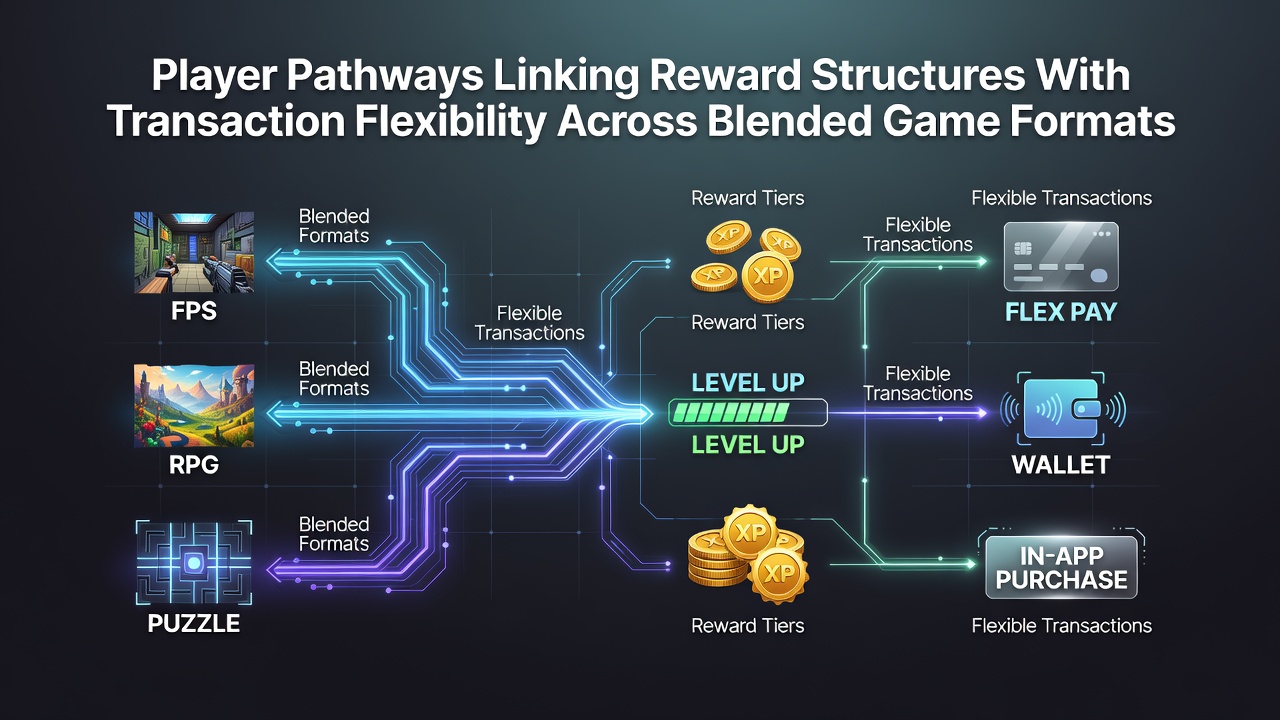
Player Pathways Linking Reward Structures With Transaction Flexibility Across Blended Game Formats
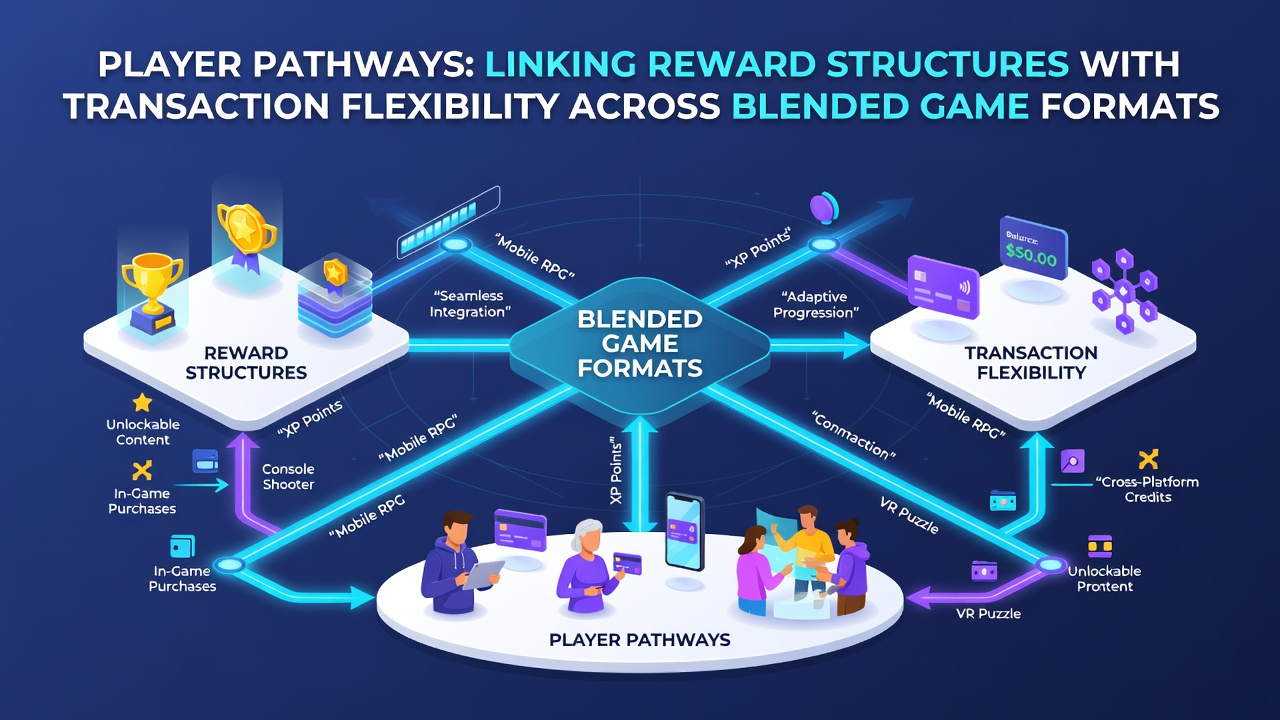
Research from multiple gaming jurisdictions indicates that player pathways now integrate reward structures directly with transaction options that adapt across slots, table games, sports betting, and digital platforms, and operators track these movements through centralized systems that update balances in real time while preserving point values earned in one format for use in another.
Operators have developed these pathways because data shows players frequently switch between land-based machines and mobile interfaces within single sessions, so reward programs must recognize activity regardless of entry point, and transaction methods must support instant deposits or withdrawals without resetting accumulated benefits.
Mapping Integrated Player Journeys
Observers note that modern systems log every interaction from initial registration through repeated play cycles, which allows reward multipliers to apply automatically when a player moves from a physical roulette table to an online version of the same game, and flexible transaction tools such as digital wallets or instant bank transfers remain available at each stage without additional verification steps.
Studies conducted by academic researchers at institutions including the University of Nevada have documented how these linked pathways reduce drop-off rates during format transitions, because points earned on a casino floor convert directly into credits for online play and transaction limits adjust dynamically based on verified account history rather than resetting with each new device.
Reward Structures That Travel With the Player
Reward frameworks now operate on unified ledgers that assign tier status and bonus eligibility according to total activity across all formats, so a player who reaches a mid-level tier through land-based volume receives matching online cashback rates and withdrawal speed preferences without separate enrollment processes.
Those who have examined operational data find that cashback percentages, free spin allocations, and deposit match offers remain consistent when funded through preferred methods such as e-wallets or linked bank accounts, and the same payment credentials used for initial deposits often unlock faster processing for reward redemptions.
Transaction Flexibility in Mixed Environments
Transaction systems accommodate both traditional card payments and newer instant options within the same account profile, which enables a player to fund a mobile session using accumulated loyalty credits earned earlier on physical machines and then withdraw winnings to the original source or an alternative account chosen at the time of request.
Figures released by the Alcohol and Gaming Commission of Ontario reveal that accounts supporting cross-format rewards and multiple transaction types show higher average session lengths, because players can adjust funding amounts mid-session without leaving the platform or losing progress toward next-tier benefits.
Operational Examples Across Jurisdictions
Take one major operator in a regulated North American market that synchronized its loyalty database with real-time payment gateways, and the result was that players completing a land-based tournament could immediately access the same reward balance on their phones while choosing from several withdrawal speeds tied to their established account preferences.
Another implementation in an Australian state-linked venue connected table game tracking with online slot rewards so that comps earned during live play applied automatically to digital sessions funded through flexible methods, and transaction records remained unified for compliance reporting.
Developments Expected by June 2026
Regulatory updates scheduled for release in June 2026 across several U.S. states are projected to require enhanced reporting on how reward pathways interact with transaction logs, and operators have already begun aligning their systems with these anticipated standards to maintain uninterrupted service across blended formats.
Industry reports indicate that standardized data protocols will further streamline point transfers and payment verifications, allowing players to maintain continuous reward momentum while switching between physical and digital environments without manual intervention.
Conclusion
Current implementations demonstrate that unified player pathways successfully connect reward accumulation with adaptable transaction choices across varied game formats, and ongoing regulatory alignment scheduled through mid-2026 is expected to reinforce these connections with clearer compliance frameworks that support continued integration.