Shifts in Funding Preferences Among Users Engaging Multiple Gaming Formats Simultaneously
Jonas Schwarz · Jun 2, 2026
Shifts in Funding Preferences Among Users Engaging Multiple Gaming Formats Simultaneously
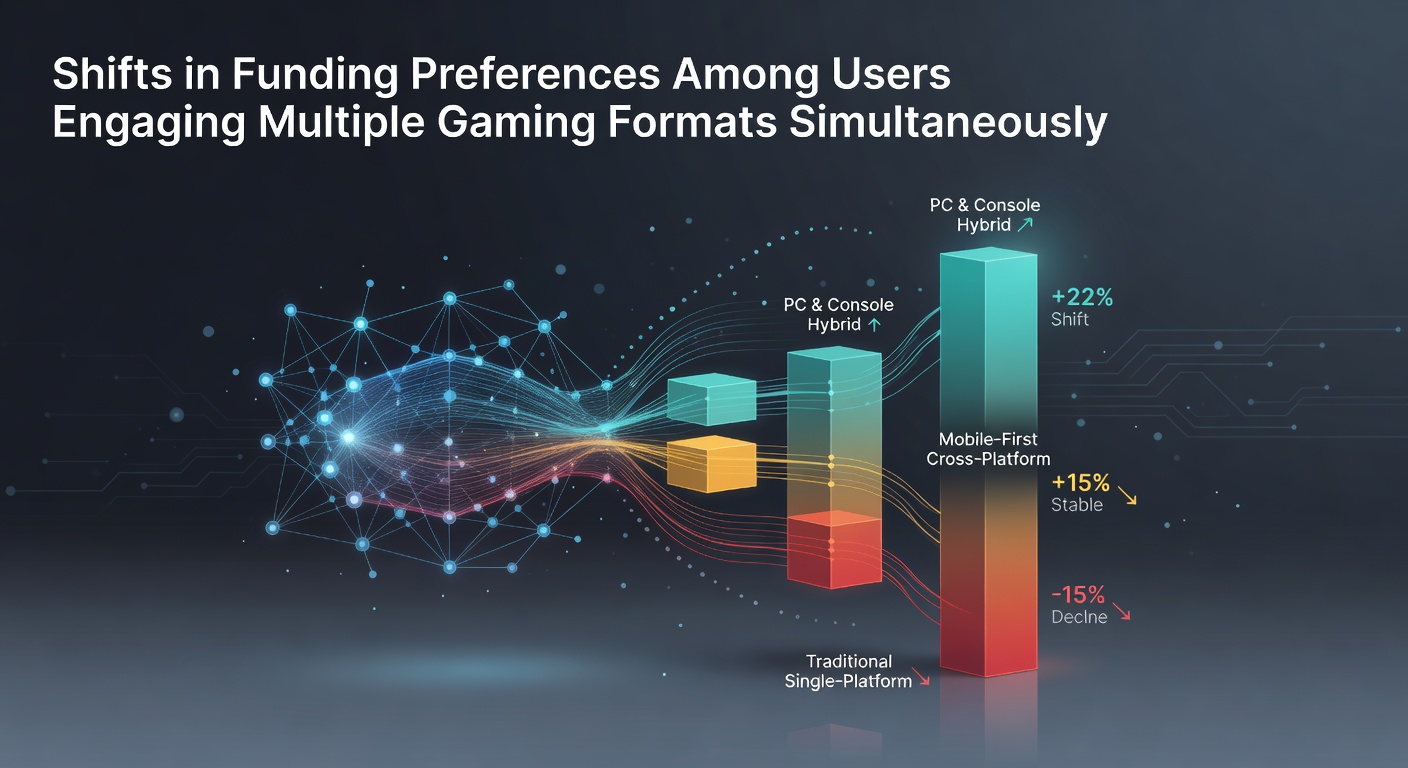
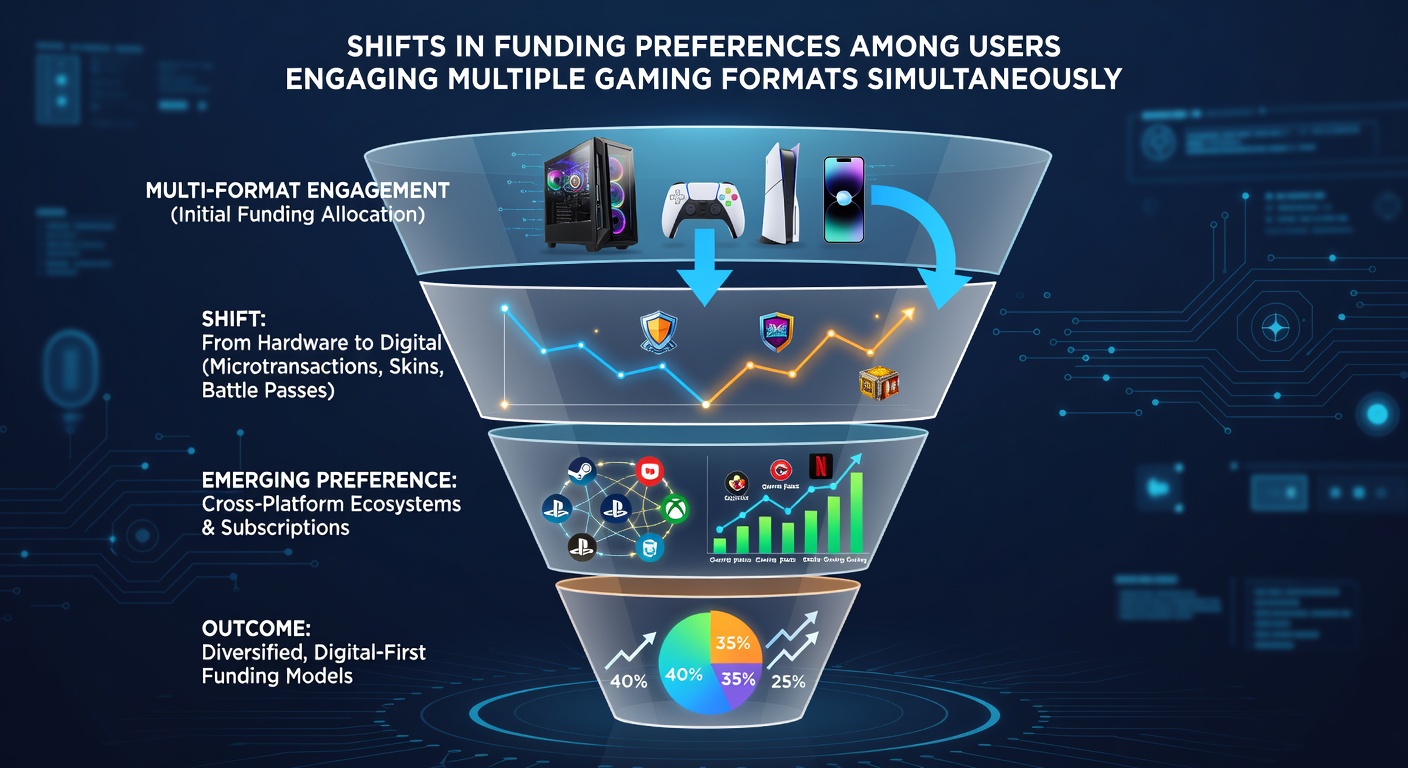
Users who participate in slots, live dealer tables, sports betting, and virtual poker at the same time show distinct changes in how they move money into and across those accounts. Data from multiple jurisdictions indicates that preferences have moved away from single-method reliance toward combinations that support instant transfers between formats without repeated verification steps.
Patterns in Multi-Format Participation
Observers tracking activity logs note that individuals who switch between casino games and sports markets within single sessions favor funding tools that operate across both environments. Bank transfers remain common for larger initial deposits, yet researchers have recorded rising use of digital wallets that allow immediate allocation to different game categories. Figures from the first half of 2026 reveal that accounts using at least three funding channels increased by roughly eighteen percent compared with the same period in 2025.
One study released by the University of Nevada Gaming Research Center examined transaction data from operators licensed in multiple states and found that players engaging live dealer blackjack alongside in-play sports bets completed an average of 2.4 funding actions per session, up from 1.7 two years earlier. The same analysis showed that users who maintained balances in cryptocurrency alongside traditional currency accounts completed transfers between those balances more frequently than users who relied on a single currency type.
Preferred Methods and Their Adoption Rates
Electronic payment services that integrate directly with operator platforms continue to gain ground. According to reports compiled by the Canadian Centre for Gaming Research, e-wallet transactions accounted for forty-three percent of all deposits made by multi-format users in the twelve months ending June 2026, while card-based deposits held steady at twenty-nine percent. Bank wire usage declined to twelve percent during the same window, down from nineteen percent in the prior year.
Those numbers align with findings from the Australian Gambling Research Centre, which documented similar movement toward wallet-based systems among participants who combined online slots with racing and sports markets. The centre's longitudinal dataset, covering more than 180,000 active accounts, indicated that users who activated instant withdrawal features within their chosen wallet service reduced the average time between deposit and first wager by forty seconds.
Regional Differences in Payment Behavior
European operators reporting to the European Gaming and Betting Association recorded that multi-format users in regulated markets selected prepaid vouchers at higher rates than users in North America. The association's quarterly aggregates for the second quarter of 2026 showed voucher usage at twenty-one percent in selected EU jurisdictions, compared with seven percent in U.S. states with comparable product offerings. In contrast, North American data highlighted greater uptake of operator-branded prepaid cards that link directly to loyalty programs spanning casino and sports products.
Canadian provincial regulators published summaries in May 2026 that tracked a twelve percent rise in users who pre-loaded multiple payment instruments before beginning sessions that included both table games and sports betting. The reports noted that these users tended to maintain smaller individual balances across instruments rather than concentrating funds in one location.
Technology and Integration Factors
Platform updates that permit real-time balance visibility across game types have coincided with the observed payment shifts. Operators that introduced unified wallets allowing seamless movement between casino and sports ledgers reported lower rates of abandoned sessions. Industry analysts examining server logs from June 2026 found that the average number of payment method changes per active account rose to 1.9 during that month, compared with 1.3 in June 2025.
Security features such as biometric confirmation and tokenised card storage have reduced friction for repeated deposits, according to transaction records reviewed by independent testing laboratories. These features appear most frequently among accounts that engage three or more formats in the same day.
Conclusion
Available data through mid-2026 shows that users who move between gaming formats have adopted more diversified funding approaches, with measurable increases in e-wallet and multi-currency account usage across several regulatory environments. Government summaries and academic analyses continue to document these patterns through transaction-level metrics rather than self-reported surveys. As integration between game categories advances, the distribution of payment preferences among simultaneous multi-format participants is expected to remain a focus of ongoing regulatory and industry reporting.